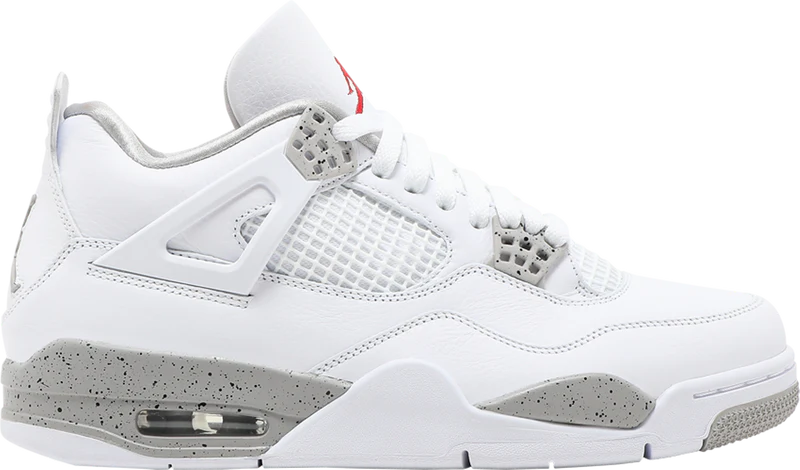
Few sneakers in history have had the cultural and design impact of the Air Jordan 4. Introduced in 1989 as the fourth signature shoe for basketball legend Michael Jordan, the Jordan 4 not only pushed the envelope in terms of technology and aesthetics but also cemented its place as a fashion staple and streetwear icon. More than three decades later, it remains one of the most coveted sneakers for collectors, athletes, and fans alike.
Origins and Design
The Air Jordan 4 was designed by Tinker Hatfield, the legendary Nike designer responsible for some of the most iconic Air Jordans in the line’s history. After the groundbreaking success of the Jordan 3, which introduced the now-famous Jumpman logo, Hatfield was under pressure to keep the momentum going.
What made the Air Jordan 4 distinct was its combination of performance innovation and unique design. The shoe featured a visible Air cushioning unit in the heel for comfort and responsiveness, a lightweight polyurethane midsole, and a revolutionary “wings” lacing support system that allowed for customized lockdown. One of the most eye-catching details was the use of mesh netting on the side panels and tongue — a design element that not only looked sleek but also allowed for breathability. The Jordan 4 was also the first in the line to be released on a global scale, helping build the Air Jordan brand beyond North America.
Iconic Colorways
The Air Jordan 4 debuted in four original colorways: “White Cement,” “Black Cement” (often referred to as “Bred”), “Fire Red,” and “Military Blue.” Each has become legendary in its own right, but the “Black Cement” in particular holds a special place in fans’ hearts. Michael Jordan famously wore this colorway during “The Shot” — his game-winning buzzer-beater against the Cleveland Cavaliers in the 1989 NBA Playoffs. That moment was broadcast around the world, and with it, the Jordan 4 became immortalized.
Over the years, Jordan Brand has re-released these OG colorways and introduced dozens of new ones, including highly sought-after collaborations with brands like Off-White, Travis Scott, Union LA, and A Ma Maniére. These collabs have kept the Jordan 4 fresh, relevant, and at the center of sneaker culture.
Cultural Impact
The Jordan 4 wasn’t just a basketball shoe — it was a cultural phenomenon. One of the first mainstream media appearances of the Jordan 4 was in Spike Lee’s 1989 film Do the Right Thing, where the character Buggin’ Out gets into an argument after someone scuffs his pristine white cement Jordans. That moment captured the growing importance of sneakers in urban and youth culture and helped turn the Jordan 4 into a streetwear staple.
Spike Lee, who also starred in Nike’s famous Mars Blackmon ad campaign, was instrumental in marketing the Jordan 4. The commercials were humorous and fresh, helping connect Michael Jordan with a broader, younger audience beyond basketball fans.
Throughout the 1990s and into the 2000s, the Jordan 4 continued to make appearances in music videos, TV shows, and movies. Hip-hop artists embraced the sneaker as a symbol of style and status. Rappers like Jay-Z, Nas, and Kanye West have all been spotted wearing Jordan 4s, helping the sneaker become part of hip-hop’s visual identity.
Performance Meets Fashion
While the Jordan 4 was designed as a performance basketball shoe, its sleek design and versatility quickly transitioned it into the lifestyle category. The combination of leather, mesh, and rubber, along with the molded plastic lace wings, gave it an aggressive but clean look that worked both on and off the court.
As fashion trends evolved, the Jordan 4 proved remarkably adaptable. Whether paired with baggy jeans in the 90s, joggers in the 2010s, or wide-leg pants in today’s fashion scene, the Jordan 4 has consistently maintained its status as a must-have sneaker.
Collaborations and Resurgence
In recent years, the Jordan 4 has experienced a massive resurgence, largely due to high-profile collaborations and limited-edition drops. The Off-White x Jordan 4 “Sail,” released in 2020, was one of the most hyped sneaker releases of the decade. Designed by the late Virgil Abloh, the sneaker featured deconstructed elements and signature Off-White branding, blending high fashion with streetwear sensibilities.
Travis Scott’s collaboration on the “Cactus Jack” Jordan 4 brought even more attention to the model, appealing to younger sneakerheads and resellers. The Union LA editions introduced new materials and construction techniques, while still honoring the original shape and ethos of the silhouette.
These partnerships have helped introduce the Jordan 4 to a new generation of fans, keeping it relevant in an ever-changing sneaker landscape.
Legacy
Today, the Air Jordan 4 stands as one of the most beloved sneakers in the entire Air Jordan line. Its historical significance, iconic design, and cultural relevance have helped it endure where many others have faded. Whether worn by NBA stars, musicians, fashion influencers, or everyday fans, the Jordan 4 remains a symbol of excellence and style.
In many ways, the Jordan 4 represents the perfect blend of innovation and heritage. It’s a reminder of Michael Jordan’s greatness, Tinker Hatfield’s visionary design, and the sneaker community’s power to turn footwear into cultural artifacts.
With new colorways and collaborations released each year, the Jordan 4 shows no signs of slowing down. Whether you’re a longtime collector or someone looking to buy your first pair, the Air Jordan 4 offers a timeless appeal that transcends generations.